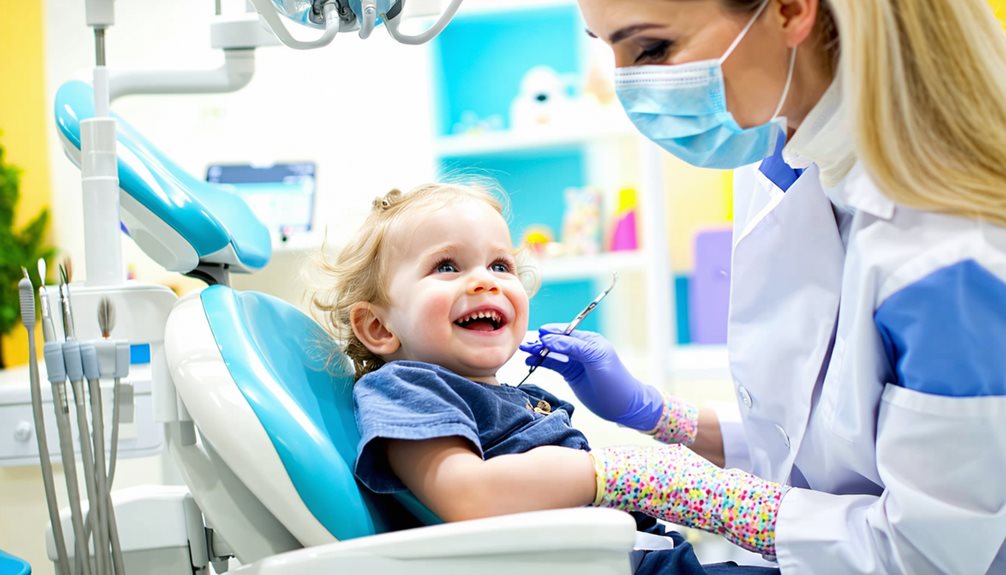
Choosing top dentists for jaw injuries is essential for accessing specialized expertise and advanced diagnostic capabilities. These professionals possess in-depth knowledge of jaw anatomy, vital for accurate diagnosis and effective treatment planning. They utilize high-resolution imaging technologies to identify subtle fractures and pathologies, ensuring precise interventions. Extensive and personalized treatment plans include innovative pain management strategies and rehabilitation programs. Through a patient-centric care approach, these experts provide holistic healing by addressing physical, psychological, and emotional needs. This commitment to excellence improves recovery outcomes and patient satisfaction. Explore further to understand how these factors contribute to superior care and recovery.
Expertise in Jaw Anatomy
Understanding the intricate anatomy of the jaw is essential for any dentist specializing in treating jaw injuries. The jaw, or mandible, is a complex structure that provides important functions such as mastication, speech, and facial aesthetics. Its composition of bone, cartilage, muscles, nerves, and blood vessels necessitates a thorough understanding to guarantee precise and effective treatment.
A profound grasp of jaw structure allows dentists to not only address existing injuries but also implement strategies for injury prevention, securing long-term patient wellbeing.
Dentists with expertise in jaw anatomy are adept at identifying subtle variations in jaw structure that may predispose individuals to injury. This knowledge is vital for developing personalized treatment plans that address specific patient needs.
By leveraging innovative techniques and materials, these specialized professionals can effectively stabilize and rehabilitate injured jaw components, facilitating ideal healing. Additionally, they employ advanced preventative measures, such as ergonomic assessments and custom mouthguards, to mitigate risk factors associated with jaw injuries.
In our pursuit of innovation in dental care, understanding and leveraging the detailed anatomy of the jaw remains a cornerstone. This expertise not only enhances patient outcomes but also fosters a proactive approach to maintaining jaw health, guaranteeing a future where injuries are minimized.
Advanced Diagnostic Tools
In the domain of jaw injury treatment, the integration of advanced diagnostic tools greatly enhances the accuracy and efficacy of patient care. These tools, such as state-of-the-art jaw imaging technologies, are essential in delineating the intricate structures of the temporomandibular joint and surrounding tissues.
High-resolution imaging modalities, including Cone Beam Computed Tomography (CBCT) and Magnetic Resonance Imaging (MRI), provide thorough insights into the extent of jaw injuries, facilitating precise diagnosis and subsequent therapeutic interventions.
Jaw imaging technologies notably elevate diagnostic accuracy, enabling practitioners to discern subtle fractures, dislocations, or other pathologies that might elude traditional diagnostic methods. This precision is vital in formulating tailored treatment strategies that address the unique anatomical and functional aspects of each patient’s condition.
Additionally, these advanced tools contribute to a reduction in diagnostic errors, thereby optimizing patient outcomes and enhancing overall satisfaction.
Benefits of advanced diagnostic tools include:
- Enhanced Visualization: High-definition images reveal detailed anatomical structures, aiding in accurate diagnosis.
- Reduced Diagnostic Errors: Precision imaging minimizes the potential for misdiagnosis, ensuring effective treatment.
- Patient-Centric Care: Personalized treatment plans are crafted based on precise, thorough diagnostic data.
Incorporating cutting-edge diagnostic innovations underscores the commitment of top dentists to delivering exemplary patient care.
Comprehensive Treatment Plans
In addressing jaw injuries, the formulation of thorough treatment plans is essential, emphasizing a personalized care approach tailored to each patient’s unique needs.
Utilizing advanced diagnostic techniques, top dentists can accurately assess the extent of the injury and develop targeted interventions to optimize healing and functionality.
This commitment to individualized treatment guarantees that patients receive the highest standard of care, promoting recovery and long-term oral health.
Personalized Care Approach
A meticulous personalized care approach is paramount when treating jaw injuries, as it guarantees that each patient’s unique needs are addressed through thorough treatment plans.
Top dentists employ a patient-focused strategy that assures extensive care by integrating holistic healing methods. This approach emphasizes the importance of addressing not only the physical aspects of the injury but also the psychological and emotional components, promoting overall well-being.
Patient education is a cornerstone of this personalized care model, empowering individuals with the knowledge and tools required to actively participate in their recovery journey.
Educated patients are more likely to engage in treatment protocols effectively, resulting in improved outcomes and sustained healing. Empowerment through education fosters a collaborative environment between the practitioner and patient, assuring a synergistic approach to treatment.
Innovative treatment plans are tailored to accommodate the specific requirements of each patient, incorporating cutting-edge techniques and therapies.
Personalized care may include:
- Customized pain management strategies to alleviate discomfort efficiently.
- Nutritional counseling to support recovery and enhance healing.
- Rehabilitative exercises designed to restore function and mobility.
This personalized care approach not only addresses immediate concerns but also contributes to long-term health, assuring an extensive path to recovery.
Advanced Diagnostic Techniques
Leveraging state-of-the-art diagnostic techniques is essential in formulating thorough treatment plans for jaw injuries. Modern dental practices now incorporate advanced imaging technology, such as 3D cone beam computed tomography (CBCT) and digital X-rays, which have revolutionized the field by providing unparalleled diagnostic accuracy.
These cutting-edge tools allow dentists to visualize intricate anatomical structures, facilitating precise assessment of fractures, misalignments, and other complex maxillofacial conditions. The integration of these innovative technologies guarantees that practitioners can detect subtle abnormalities and delineate the full extent of injuries that might otherwise remain undetected with conventional methods.
This enhanced diagnostic accuracy is pivotal in tailoring individualized treatment plans that address not only the immediate concerns but also the potential long-term implications of jaw injuries. Furthermore, the application of advanced imaging technology minimizes patient exposure to radiation while maximizing the clarity and detail of the images obtained.
Top dentists utilize these diagnostic advancements to create extensive, patient-centered treatment regimens that prioritize ideal recovery and functionality. By staying at the forefront of technological innovation, these professionals guarantee that patients benefit from the most effective and efficient care, thereby enhancing outcomes and fostering patient confidence in their treatment journey.
Pain Management Techniques
Effective pain management is a critical component of treating jaw injuries, requiring the integration of advanced pain relief methods tailored to each patient’s unique needs.
Top dentists employ a combination of pharmacological and non-pharmacological strategies to guarantee peak comfort and expedited recovery.
Customized treatment plans are essential in addressing individual pain thresholds and promoting overall patient well-being.
Advanced Pain Relief Methods
In the domain of pain management for jaw injuries, advanced pain relief methods play an essential role in enhancing patient recovery and comfort. Addressing chronic pain associated with jaw injuries requires innovative therapies that go beyond conventional treatments.
These advanced methods focus on reducing discomfort while promoting quicker healing, enabling patients to resume normal activities with minimal interruption.
Innovative therapies include:
-
Transcutaneous Electrical Nerve Stimulation (TENS): This non-invasive technique uses low-voltage electrical currents to alleviate pain by stimulating nerve pathways, thereby reducing the sensation of discomfort.
-
Cold Laser Therapy: Utilized for its anti-inflammatory and analgesic properties, cold laser therapy accelerates tissue repair and decreases inflammation, providing relief from persistent jaw pain.
-
Pharmacologic Innovations: The use of novel medications, including selective nerve blocks and non-opioid analgesics, offers targeted pain relief without the side effects commonly associated with traditional pain medications.
These advanced methods are tailored to meet the unique needs of each patient, aiming to provide effective relief while minimizing potential side effects.
By integrating cutting-edge technology with clinical expertise, top dentists can guarantee that patients experiencing jaw injuries receive the most thorough and effective pain management solutions available.
This approach not only enhances the healing process but also markedly improves overall quality of life.
Customized Treatment Plans
Creating customized treatment plans for pain management is integral to addressing the specific needs of patients with jaw injuries. This patient-centric approach guarantees that each individual receives the most effective interventions tailored to their unique condition.
Top dentists employ innovative techniques to develop customized rehabilitation programs that include both immediate pain relief and long-term functional recovery. By utilizing advanced diagnostic tools, these specialists can meticulously assess the extent of the injury and the patient’s pain threshold, leading to a more precise treatment regimen.
Customized rehabilitation programs often incorporate a multi-faceted approach, combining pharmacological management with therapeutic modalities such as transcutaneous electrical nerve stimulation (TENS), laser therapy, and physical therapy.
These programs focus on reducing inflammation, enhancing muscle function, and promoting tissue healing, which are essential for the thorough management of jaw injuries. Additionally, tailored recovery strategies may include patient education on lifestyle modifications and exercises designed to improve jaw mobility and prevent further injury.
For patients seeking innovative solutions, top dentists offer cutting-edge therapies, such as regenerative medicine techniques, that accelerate healing and mitigate discomfort.
Faster Recovery Times
Achieving faster recovery times for jaw injuries is a critical aspect of patient care that top dentists prioritize. Utilizing advanced rehabilitation strategies, these dental professionals guarantee that patients experience minimal downtime, fostering both physical and psychological well-being.
By integrating cutting-edge technologies and evidence-based practices, top dentists can notably accelerate the healing process. Rehabilitation strategies, tailored to individual patient needs, often include specialized exercises designed to enhance jaw mobility and strength, thereby reducing the risk of complications and promoting ideal recovery.
Moreover, nutrition guidelines are an integral component of the recovery process. Dentists emphasize the importance of a balanced diet rich in essential nutrients to support tissue repair and overall health. This thorough approach not only speeds up recovery but also empowers patients to take an active role in their healing journey.
To aid in quicker recovery, top dentists often implement:
- Innovative diagnostic tools: These facilitate precise treatment planning and early intervention.
- Customized rehabilitation protocols: Individualized exercises to restore function and prevent future injuries.
- Nutritional counseling: Guidance on dietary choices that promote healing and enhance recovery outcomes.
Choosing top dentists guarantees a seamless, patient-focused recovery trajectory that leverages the latest advancements in dental care.
Personalized Patient Care
Personalized patient care is the cornerstone of effective treatment for jaw injuries, enabling top dentists to address the unique needs of each patient. By tailoring therapeutic interventions to individual anatomical and physiological considerations, clinicians enhance patient satisfaction and optimize outcomes. This bespoke approach guarantees that each patient receives a treatment plan that aligns with their specific condition, lifestyle, and recovery goals, thereby fostering a more efficient healing process and minimizing potential complications.
Advanced diagnostic tools and techniques, such as 3D imaging and digital modeling, are pivotal in crafting these personalized care plans. These innovations not only facilitate precise injury assessment but also improve treatment accessibility by allowing clinicians to engage patients in a more interactive and informed decision-making process. Consequently, patients are empowered with a thorough understanding of their treatment trajectory, fostering trust and engagement in their care.
Moreover, personalized care models integrate interdisciplinary collaboration, drawing on the expertise of orthodontists, maxillofacial surgeons, and physical therapists to deliver holistic care. This collaborative framework guarantees that all aspects of the patient’s health are considered, promoting a seamless continuum of care.
Ultimately, personalized patient care in jaw injury management stands as an affirmation of the pursuit of excellence and innovation in dental practice.
Frequently Asked Questions
What Costs Are Associated With Top Dentists for Jaw Injuries?
The costs associated with top dentists for jaw injuries vary based on treatment options, complexity, and materials used. Many clinics offer flexible payment plans to accommodate diverse financial situations, ensuring accessible and innovative care for all patients.
Are Top Dentists for Jaw Injuries Covered by Insurance?
Insurance coverage for top dentists specializing in jaw injuries varies widely. It’s crucial to consult with your provider to understand specific treatment options included. Many innovative treatments may be partially or fully covered, enhancing patient accessibility and care.
How Do I Find Top Dentists Specializing in Jaw Injuries Near Me?
To locate top dentists specializing in jaw injuries, utilize online reviews to assess patient satisfaction and clinical outcomes. Additionally, seek local recommendations from healthcare professionals to guarantee innovative, patient-focused dental care tailored to your specific needs.
What Are Common Causes of Jaw Injuries Requiring Top Dental Care?
Common causes of jaw injuries necessitating top dental care include sports accidents, which frequently result in dental trauma. Such incidents can lead to fractures, dislocations, or contusions, requiring advanced diagnostic and therapeutic interventions to guarantee ideal patient outcomes.
Can Children With Jaw Injuries Benefit From Top Dentists?
Children’s dental care for pediatric jaw injuries is essential. Top dentists are equipped with advanced techniques and innovative approaches, ensuring ideal recovery and minimizing future complications, thereby enhancing the child’s quality of life and promoting long-term oral health.
Conclusion
Selecting top dentists for jaw injuries guarantees access to a high level of expertise in jaw anatomy, which is critical for accurate diagnosis and effective treatment. The use of advanced diagnostic tools facilitates precise identification of injuries, enabling the development of thorough treatment plans tailored to individual needs. Pain management techniques employed by these professionals contribute to enhanced patient comfort, while their approaches often lead to faster recovery times. Additionally, personalized patient care underscores a commitment to ideal outcomes and overall patient well-being.